Today, we’re here to explore the power of packaging in private label merchandising. You must know that packaging isn’t just about containing your product because it’s a powerful marketing tool that can give your private label brand a competitive edge.
All the way from the color scheme and logo to the shape and feel, every aspect of your packaging tells a story about your brand. And who doesn’t love a good story? We sure do!
So in this article let’s explore the power of packaging for private label products and look at some great tips on how to do it effectively.
The great power of packaging
The power of packaging is an aspect that can’t be ignored. Especially when you’re creating a private label product. After all, the package is the first physical interaction a customer has with your product. So we think it’s worth figuring out how packaging plays an integral role in product marketing and brand perception.
You must know that packaging overall can be a strong determinant in a customer’s purchasing decision. An aesthetically pleasing package not only attracts attention but also communicates the quality of the product itself inside.
Also, in the realm of private label products, packaging can significantly differentiate your product from competing brands. So as a result it helps to establish a unique brand identity and evoke a particular feeling or association in the customer’s mind.
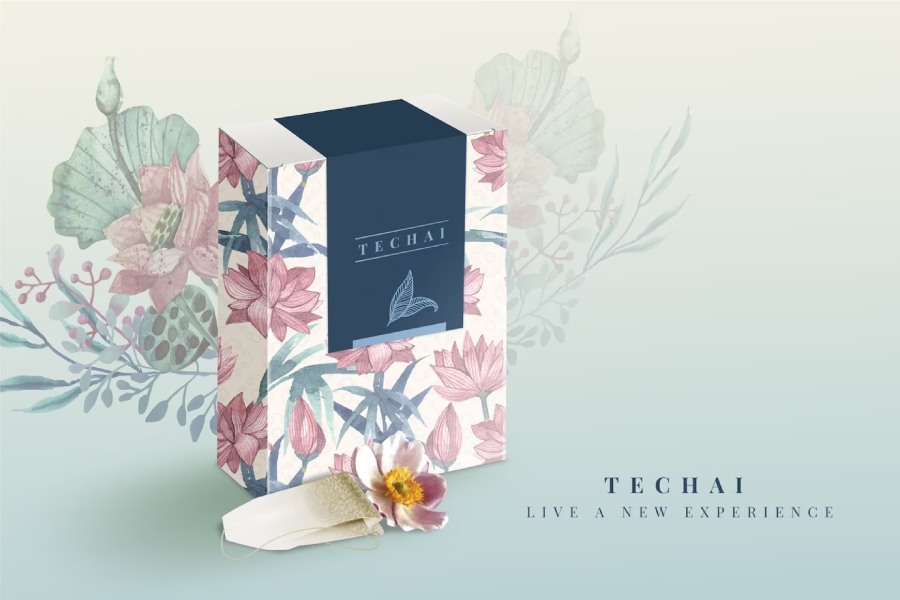
To mention an example, minimalist packaging can suggest elegance and simplicity. And then some bold colors might convey fun and energy. It’s crucial to align the packaging design with your brand’s persona and the message you wish to convey.

How to design effective packaging for your products
Creating a successful packaging design might seem challenging. But to be honest, with a clear understanding of your brand identity and target audience, it’s entirely achievable.
So let’s discuss some top tips that could assist in crafting a packaging design that makes your private label product shine.
Here are some tips:
- Understand your audience – who are your customers? What do they value? The answers to these questions can significantly influence your design decisions. For example, if your target audience is environmentally conscious, consider using recyclable or biodegradable materials.
- Consistency is key – ensure that your packaging design is consistent with your other marketing materials. For example, such as your website, social media, and in-store displays. This consistency reinforces your brand identity and increases recognition.
- Simplicity works – overly complex designs can be confusing and off-putting. A clean, simple design with a clear brand logo and product information can be more effective in conveying your message.
- Colors definitely matter – different colors evoke different emotions. Choose a color scheme that aligns with your brand’s personality and makes your packaging stand out on the shelf.
These tips on packaging for private label products might seem obvious however you would be surprised on how many brands miss out on the basics.
Case studies as an example – packaging success stories
Let’s take inspiration from some successful private label brands that have made a significant impact through their packaging designs.
Their success stories can provide valuable insights that can follow up as inspiration for you.
Trader Joe’s
This US-based grocery store chain has an extensive range of private label products. All of them feature distinctive, hand-drawn packaging designs.
The brand uses its packaging as a platform to convey its fun, quirky persona. As a result it makes it highly recognizable and popular among customers.
Target’s Good & Gather
Target’s private label food brand, Good & Gather, offers a great example of minimalist and clean packaging. The designs emphasize the product’s quality and natural ingredients. And that as a result aligns perfectly with the brand’s commitment to health and wellness.

Make sure to embrace sustainability in your packaging
The trend of sustainability has heavily influenced consumer purchasing habits, making it a key consideration in packaging design. So let’s see how private label brands can embrace this trend.
First off, eco-friendly packaging can significantly enhance your brand image. It can definitely appeal to a growing demographic of environmentally conscious consumers. This could involve using recycled or recyclable materials. Reducing unnecessary packaging, or incorporating eco-friendly inks and processes in your packaging production.
Brands like REWE, a German supermarket chain, have championed this movement. They did that by implementing plastic-reduction initiatives across their private label product range, garnering positive consumer response.
Sustainable Product Packaging is the key to a sustainable future!
What is the role of packaging in brand storytelling?
Be sure to know that packaging is not merely a cover for your product – it’s a crucial communication channel. It’s a visual narrative that tells your brand’s story and what it represents.
Packaging creates a strong emotional connection with the consumer by conveying your brand’s narrative. It serves as a silent salesman, speaking volumes about your brand, its values, and its unique selling proposition.
So let’s look at Everlane’s ReNew line as an example. Their amazing packaging tells a story of commitment to sustainability. And their strategy is very simple too. They are using minimalistic design and materials that underline its pledge to eliminate all virgin plastic from their supply chain.
And by aligning the packaging with their brand story, Everlane has managed to increase its appeal to the environmentally conscious demographic.

Packaging design can also touch on the origins of a private label brand. It can express its history, legacy, or the story behind the inception of the product.
Future trends in private label packaging
As we look ahead, it’s clear that private label packaging will continue to evolve.
So let’s explore some future trends that could shape the next wave of packaging designs for private label products.
- Personalization – consumers seek unique, personalized experiences, private label brands could offer personalized packaging options. This could range from custom designs, monograms, or unique messages that enhance the consumer’s connection with the brand.
- Augmented Reality (AR) – AR is an emerging trend in packaging, providing an interactive experience to customers. For example, 19 Crimes wine uses AR to bring their labels to life, narrating the story of the convict depicted on the label.
- Smart packaging – smart packaging, featuring elements like QR codes or NFC tags, can provide additional product information, promotional offers, or engage consumers with interactive content. This adds value to the consumer’s experience and can boost brand engagement.
Whether it’s through embracing new technologies or creating personalized experiences, the future of private label packaging surely looks full of potential. And the main key is to keep abreast of these trends and to continuously innovate to ensure your brand stands out in the crowd.
Check out our article about creating Memorable Brand Identity with Color and Design.
In conclusion we must admit that in the world of private labels, your product’s packaging is more than just a protective cover. As you know now, it’s a marketing tool, a story narrator, a brand ambassador, and a window into your brand’s soul.
So by creating a distinctive and engaging packaging design, you can turn casual browsers into loyal customers and make your mark in the competitive private label market.
Keep visiting StoreProp for the latest tips, insights, and trends in retail management, marketing, and merchandising. We’re here to help you make your retail journey a success!