

We live in a world where our choices affect our well-being and our planet. We strive for glowing skin and healthy lifestyles, but at the same time, we want to avoid spending a lot of money. This is why we often have to make one crucial decision – between organic products or cheaper products of unknown origin.
Welcome to this informative article, where we will find out where it is more important to choose organic products and where it would be acceptable to choose conventional ones. We will delve into health, beauty, and sustainability issues to help you make informed choices that align with your values.
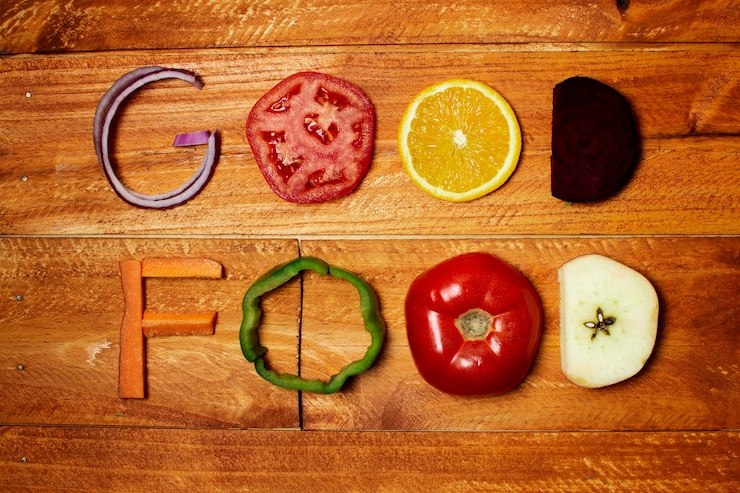
Understanding the need for organic products
Organic food is more than just a label. It proves that farming favors natural processes and rejects synthetic pesticides, hormones, and genetically modified organisms (GMOs).
Pesticide residues are more common in some types of fruits and vegetables. Strawberries, spinach, cabbage, and apples are often at the top of the list because they have a thin skin, which makes them more susceptible to absorbing chemicals.
Health-conscious people should consider choosing organic produce. Studies have shown a link between pesticide exposure and health risks, including possible links to cancer, hormonal disorders, and neurological problems. Choosing organic versions of these products will reduce your exposure to harmful substances, thus contributing to a healthier lifestyle.
When is it acceptable to choose conventionally grown products?
Sometimes, despite the attractiveness of organic produce, practical considerations of availability and budget can still lead us to choose conventionally grown products.
Here are cases where choosing non-organic products may be more acceptable:
- Thicker skin: Fruits and vegetables such as avocados, pineapples, melons, and citrus fruits have thick skin that acts as a protective barrier, reducing the absorption of pesticides. Peeling or washing these products thoroughly can reduce the risk of exposure to pesticide residues.
- Lower pesticide residue levels: Some produce, even conventionally grown, may have lower pesticide residues. Products such as onions, maize, and sweet peas tend to contain lower pesticide residue levels than others, making them a safer choice for non-organic produce.
- Cost constraints: Organically grown produce is often more expensive due to the more stringent farming methods. For people on a budget, conventionally grown fruit and vegetables may be a more practical approach.
- Availability: Organic produce may be scarce or unavailable in some regions or seasons. In such cases, choosing conventionally produced products can ensure a consistent consumption of essential fruits and vegetables, but with careful consideration of the above factors.
- Individual health factors: Personal health conditions or allergies may dictate specific choices. For example, people with weakened immune systems or specific health problems may be more likely than others to make organic choices.
Understanding these nuances helps to make informed decisions when dealing with the dilemma of choosing organic and non-organic products. Remember that even in conventionally grown produce, proper washing, and preparation for eating can further reduce pesticide residues, thereby improving safety.
Balance and practicality are essential for a healthy lifestyle. When making your choices, consider choosing products that meet your health goals, ethical values, and environmental concerns.

Environmental and ethical considerations
The choice between organic and non-organic food is about personal health and environmental and ethical factors. Organic farming methods promote soil health and biodiversity and reduce pollution, thus having a positive impact on ecosystem conservation.
Choosing organic farming respects ethical values by supporting fair labor policies and the well-being of farm workers. It is a step towards a more sustainable future, contributing to a healthier planet for future generations.
Natural beauty and wellness trending
With the organic revolution, the beauty and wellness sector is also seeing a boom in organic products. From skincare to hair care, consumers are looking for eco-friendly alternatives and paying attention to product ingredients.
Organic beauty products use natural elements. They do not contain potentially harmful chemicals, meeting the needs of the health-conscious consumer.
Improving your health and lifestyle
Dear readers, your path to health and beauty is closely linked to the choices you make. Choosing organically grown products is an effective step to maintain your health. Try to find a balance between health, ethical considerations and sustainable living.
Remember that it is not just about excellence, but about development. Support the organic movement where it matters most, thereby strengthening your health and the planet.
Stay radiant, healthy and knowledgeable!