For retail store managers, it’s crucial to ensure workplace safety. The shelving often demands attention. Technology has advanced over time to overcome safety issues with shelves, enhancing the efficiency and security of the retail industry.
This article will look at various technological innovations that are meant to enhance the safety of retail shelving. From weight sensors that prevent overloading to automated systems for managing high-level shelving. We’ll also touch upon these safety-enhancing technologies’ return on investment (ROI).
Weight sensors to avoid overload
Overloading shelves can pose significant safety risks, including injuries and product damage. Weight sensors have emerged as a technological solution to prevent such scenarios.
These devices can detect if a shelf is nearing its weight capacity and alert staff before overloading occurs. For example, Amazon has implemented such sensor technologies in their warehouses. It ensures a safe environment for their employees and prevents expensive damages.
Automated shelving systems
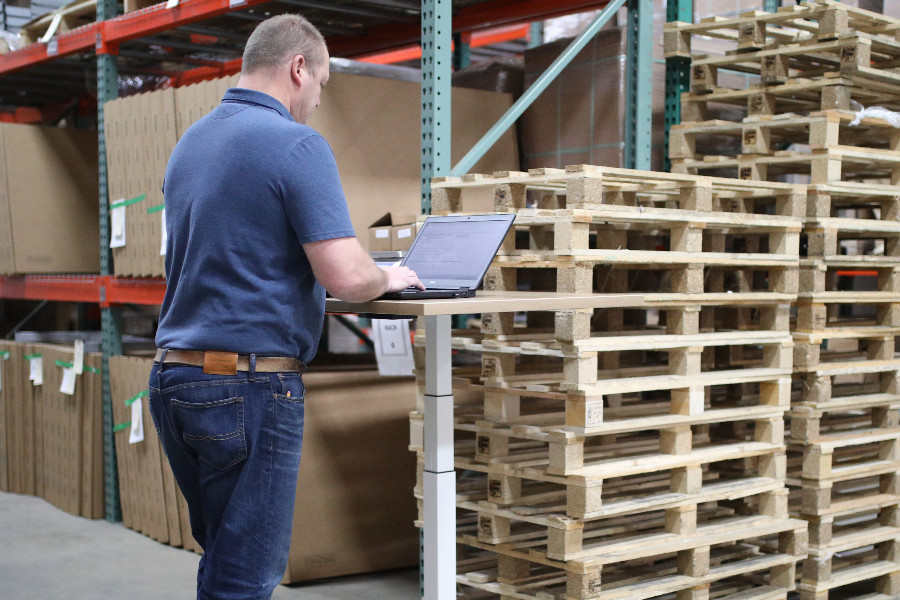
Managing high-level shelving can be a safety concern. Especially when heavy goods are involved. Automated shelving systems can greatly reduce these risks.
These systems use robotic technology to accurately place and retrieve items from high shelves, eliminating staff needing to climb ladders or operate heavy machinery. Furthermore, as seen in IKEA’s automated warehouses, automation increases efficiency by streamlining inventory management.
The ROI of safety-enhancing tech
Investing in safety-enhancing technology could seem expensive. But it’s worth it. With fewer accidents, there are potentially fewer medical costs, legal bills, and compensation costs.
Additionally, they have the following advantages:
- increased efficiency
- reduced product damage
- lower insurance premiums due to improved safety standards.
Enhancing security and modernizing the store can yield a substantial ROI, financially and in reputation.
AI and IoT in workplace safety
IoT and AI will revolutionize retail safety and shelving. Smart shelves, equipped with AI and IoT, can track stock levels and send alerts when restocking is needed. They can also predict future stocking needs based on sales patterns.
These technologies can reduce the risk of empty or overloading shelves, enhancing safety, efficiency, and customer satisfaction.
Conclusion
Incorporating technology in retail shelving is no longer just about optimizing space and enhancing store aesthetics. It ensures safety and efficiency.
Although there are expenses, the benefits make the investment worthwhile. As technology advances, our approach to secure and efficient retail shelving should also evolve.
Learn more about workplace safety and read about the impact of racking layouts on employee safety and productivity.