
In the competitive world of retail, floral departments often carry the potential to spark impulse purchases and elevate the in-store experience. However, many retailers miss out on maximizing this opportunity.
Cross-merchandising is a powerful technique that allows floral products to shine by pairing them with complementary items, thus enhancing both visibility and value perception. For retail managers looking to optimize floor space, drive incremental revenue, and create a cohesive shopping journey, cross-merchandising is an essential strategy.
At StoreProp.com, we understand that successful retail operations rely on informed strategies in merchandising, supply chain optimization, and customer engagement. In this post, we explore practical cross-merchandising methods that can enhance floral sales and increase average customer spend.
Pair flowers with greeting cards
Greeting cards and flowers naturally go hand in hand, especially during peak seasons like Valentine’s Day, Mother’s Day, and anniversaries.
Retailers can create mini-displays where floral bouquets are placed next to curated selections of greeting cards. Seasonal signage and thematic color palettes can help draw attention. Positioning these displays near store entrances or high-traffic areas increases visibility and encourages impulse buys. To optimize results, bundle discounts can be offered (e.g., “Buy a bouquet and a card, get 10% off”).
Best practices include rotating card themes with the season, showcasing bestsellers, and featuring handwritten-style signage to create a warm, inviting atmosphere. Retailers can also personalize displays with local or cultural motifs to resonate with the target demographic.
Incorporate gift items
Small gift items like plush toys, photo frames, and gourmet treats add perceived value and emotional connection when paired with flowers. Setting up cross-merchandising zones with flowers and related gift items allows customers to conveniently assemble complete gift packages.
This is especially effective around holidays or special events. Consider creating ready-to-go gift bundles or offering personalization options to differentiate your offerings from competitors.
Examples include: pairing a bouquet with a scented candle and a box of artisanal chocolates; or offering a graduation flower-and-gift set with a congratulatory balloon and plush toy. These combinations serve convenience-focused shoppers and encourage last-minute purchases.
Additionally, leveraging storytelling on signage (e.g., “Celebrate Mom with a heartfelt combo of lilies, chocolates, and a warm hug”) can emotionally engage customers and enhance perceived value.
Feature candles and home fragrances
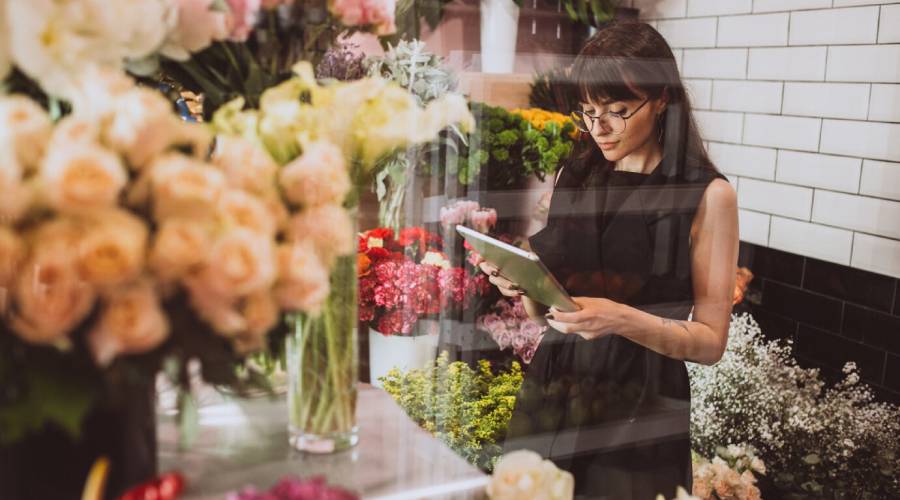
Floral arrangements are often bought to enhance home ambiance—a goal shared by candles and home fragrance products. Create soothing displays that feature flowers with complementary scents like lavender candles or rose-scented diffusers.
These setups work well near the floral department or in dedicated wellness corners. Retailers can also use sensory marketing tactics by lighting a sample candle nearby to engage customer senses and increase dwell time.
Offer mix-and-match promotions, like “Buy two candles and get a floral bouquet at 20% off,” or develop themed sections such as “Relaxation Essentials” for spa-day inspired gifts. Including small signage with benefits of aromatherapy can inform and influence customer decisions.
Cross-merchandising flowers with lifestyle wellness items not only diversifies revenue streams but also aligns with consumer trends focused on self-care and home aesthetics.
Display vases and floral accessories
Upselling with functional accessories like vases and floral foam not only increases the average ticket size but also provides convenience. Position stylish vases adjacent to floral selections, offering a “complete the look” approach.
Educational signage or digital screens showing arrangement tips can add value. Using modular displays helps to adapt quickly to seasonal changes and optimize space.
Consider offering a mix of price points, from budget-friendly mason jars to high-end ceramic vases. Adding limited-edition or locally crafted items introduces exclusivity, while “how-to” guides or QR codes linking to floral arranging tutorials enhance the customer experience.
Including upsell accessories like ribbon, cardholders, and plant food packets next to the checkout can also capture final add-on sales.
Leverage seasonal themes and trends
Tapping into seasonal trends boosts relevance and creates fresh merchandising opportunities. For example, during the autumn season, combine floral products with pumpkin-themed decor, warm-toned candles, and rustic baskets.
Around graduation season, integrate class-themed balloons, caps, and congratulatory gifts. Staying ahead of seasonal buying behaviors can drive consistent foot traffic and higher conversion rates.
Retailers should also look to broader retail and fashion trends for inspiration. For example, Pantone’s Color of the Year or popular interior design aesthetics (like “cottagecore” or “Japandi”) can be integrated into floral displays and paired merchandise.
Make use of social media trends to inform in-store displays. Instagrammable moments can be created with styled floral displays that encourage customer interaction and sharing, further increasing store visibility and engagement.
Embrace digital integration and QR codes
Tech-enabled merchandising is gaining momentum in modern retail, especially with consumers seeking convenience and inspiration.
Add QR codes to displays that link to bouquet care tips, flower arrangement tutorials, or even online ordering for out-of-stock items. This not only enhances the customer experience but also bridges physical and digital shopping.
Consider installing small digital kiosks or tablets near floral sections that allow customers to browse additional product pairings, gift bundles, or custom order options. Integrating loyalty programs and mobile app engagement through these displays can also encourage repeat purchases and customer retention.
Retailers might also offer AR (augmented reality) experiences to visualize how floral arrangements will look in home settings. These innovations not only boost engagement but position the store as forward-thinking and customer-centric.
Highlight local and sustainable products
Consumers are increasingly prioritizing sustainability and supporting local businesses in their purchasing decisions.
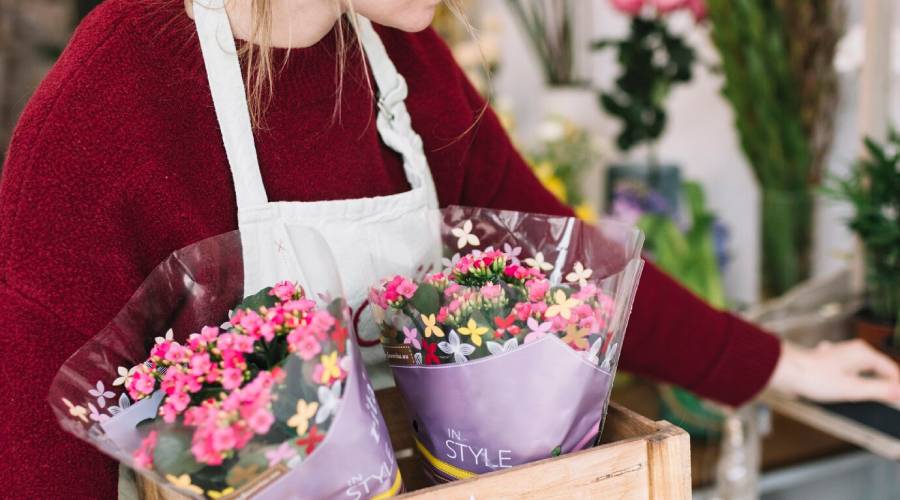
Pairing flowers with locally sourced gifts, handmade vases, or eco-friendly packaging can resonate deeply with today’s eco-conscious shoppers. Use signage to tell the story behind each product—where it comes from, who made it, and how it contributes to a greener planet.
Floral displays can also include reusable wrapping, seed paper cards, or biodegradable containers. Retailers should train staff to highlight these features and suggest them during customer interactions to increase both sales and customer satisfaction.
Running events like “Local Artisan Days” in-store, where customers can meet local producers of candles, vases, or flower growers, also fosters community engagement and store loyalty.
Maximizing floral impact through cross-merchandising
Cross-merchandising transforms floral departments into high-performing zones of opportunity. By strategically pairing flowers with complementary products like greeting cards, gifts, candles, and vases, retailers can significantly increase the average customer spend while improving the overall shopping experience.
With thoughtful planning, digital integration, and adaptive display techniques such as modular displays, retail managers can ensure that their floral offerings are not only seen but also sold. The key lies in understanding customer motivations, aligning with lifestyle trends, and providing convenience, value, and inspiration every step of the way.
Read this: Maximizing Store Layout for Profitability
For more insights on merchandising strategies, workplace optimization, and enhancing visual appeal, explore our other resources at StoreProp.com.